What is Sensory Interior Design?
Sensory interior design is the practice of designing spaces that stimulate the senses in intentional ways. Rather than focusing only on furniture placement or color palettes, it considers how every element contributes to your overall experience within the room. It is the practice of styling a home to engage touch, sound, scent, and sight, not just visual appeal. Instead of asking, “how does this look?”, it asks, “how does this feel to actually live in?”
While the term sensory interior design may feel new, the underlying idea is familiar: creating a home that considers comfort, atmosphere, texture, sound and light—not just appearance.
Sensory design can address sight, touch, sound and scent, while also considering physical comfort such as temperature.
Sight
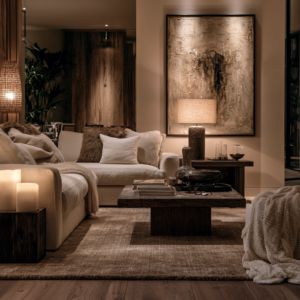
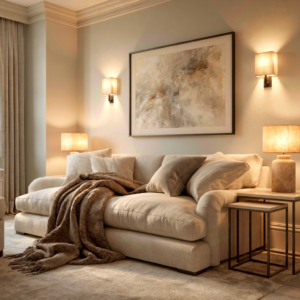
Visual comfort starts with thoughtful lighting and balanced color choices. Warm white lighting, layered lamps, natural sunlight, and earthy color palettes help create a relaxing atmosphere that feels inviting throughout the day.
Instead of relying on one bright ceiling fixture, designers are layering lighting with:
- Table lamps
- Wall sconces
- Floor lamps
- Under-cabinet lighting
- Dimmable fixtures
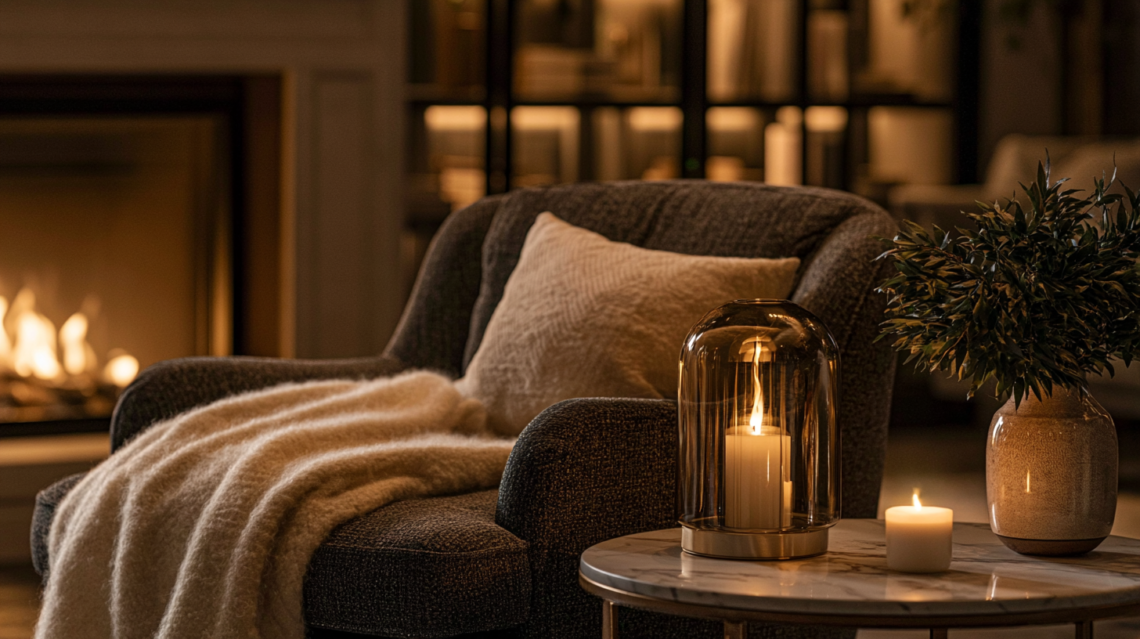
- Candles for evening ambiance
The result is a softer, more welcoming environment that adapts to different activities and moods.

Touch
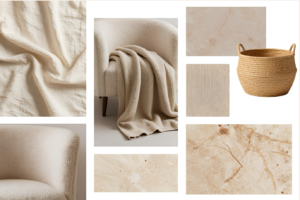
Texture has become one of the most important elements of modern interior design. A well-designed space invites you to touch. Think about how you feel when you sit on a comfortable couch or when you touch a soft blanket. A great space should invoke a sense of curiosity. Touch takes the space beyond something that is visual to make a lasting impression.
Smooth surfaces alone can make a room feel sterile. Therefore, designers are mixing materials that invite touch and add depth.
Popular textures include:
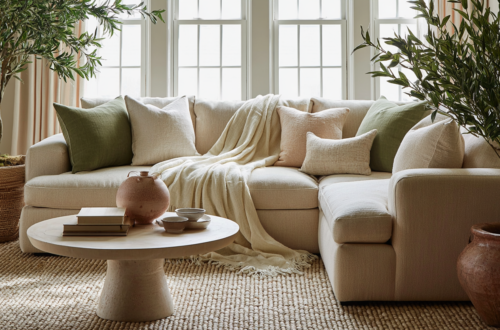
- Linen fabrics
- Bouclé chairs
- Chunky knit blankets
- Handmade pottery
- Natural stone
- White oak furniture
- Limewash walls
- Woven baskets
- Wool rugs
These materials create a sense of warmth that photographs often can’t fully capture.
Sound
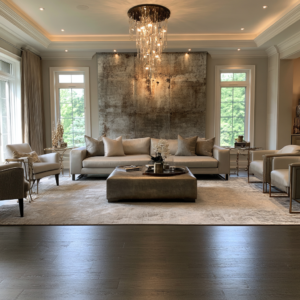
Many homes unintentionally amplify noise through open floor plans, hardwood flooring, and large windows. Sensory design addresses this by improving acoustics.
Simple additions include:
- Large area rugs
- Fabric curtains
- Upholstered furniture
- Decorative acoustic panels
- Bookshelves filled with books
- Indoor fountains
- Soft background music
Reducing echoes can make even a large room feel calmer and more intimate.
Smell
Scent can strongly influence how we experience a space, which is why fragrance has become an increasingly popular part of home ambiance.
Rather than overpowering fragrances, today’s designers are incorporating subtle, natural aromas that enhance relaxation.
Some favorites include:
- Cedar wood
- Lavender
- Eucalyptus
- Sandalwood
- Vanilla
- Fresh herbs
- Natural soy candles
- Reed diffusers
- Essential oil diffusers
A consistent signature scent can make your home instantly feel familiar and comforting.

Temperature
Comfort extends beyond what you see. A room that feels physically comfortable encourages people to spend more time there.
Consider adding:
- Soft throw blankets
- Heated bathroom floors
- Ceiling fans
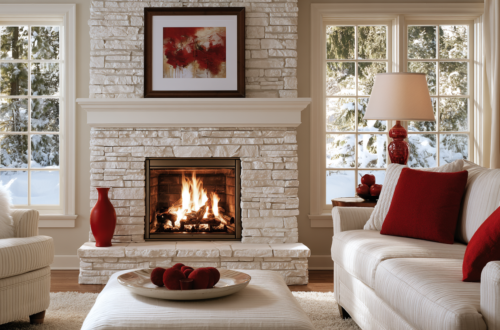
- Fireplaces
- Layered bedding
- Thermal curtains
- Natural ventilation
- Outdoor living spaces with fire features
Even small changes can make a noticeable difference throughout the seasons.
Why Sensory Design Is Becoming So Popular
Several lifestyle changes are driving this emerging trend.
- We spend more time at home: Remote work and hybrid schedules mean many people spend significantly more time indoors than they did just a few years ago. Because of this, homeowners want spaces that feel restorative rather than purely decorative.
- Digital fatigue is real: Notifications, video meetings, streaming services, and endless scrolling have created constant mental stimulation. People are now seeking homes that offer visual simplicity, quiet moments, and opportunities to disconnect.
- Recent Houzz research gives this trend some real-world support. Its 2026 Emerging Summer Trends Report found rising interest in tactile materials, biophilic design, wellness spaces and even searches for “sensory room,” which increased 43%. The report also found searches for “wellness room” increased 164% and “calming” as a design keyword increased 139%.
- Nature is moving indoors: Biophilic design continues to grow in popularity, encouraging stronger connections between indoor and outdoor spaces. Natural materials, abundant plants, daylight, and organic shapes help create environments that feel more peaceful and grounded.
- The sensory-home concept is also showing up in professional 2027 forecasting. Pantone’s View Home + Interiors 2027 forecast emphasizes calm, comfort, joy and sensory integration, suggesting that designers are thinking beyond how a room looks and toward the experience it creates.
15 Easy Ways to Bring Sensory Design Into Your Home
The best part about this trend is that you don’t need a complete renovation.
Try these simple upgrades:
- Replace cool white bulbs with warm LED lighting.
- Add dimmer switches to frequently used rooms.
- Layer multiple light sources instead of relying on one ceiling fixture.
- Introduce linen curtains.
- Add a large textured area rug.
- Display handmade ceramic pieces.
- Decorate with natural wood accents.
- Use woven baskets for storage.
- Invest in high-quality bedding.
- Add oversized throw blankets.
- Incorporate indoor plants throughout your home.
- Use a diffuser with a scent you personally find pleasant.
- Create a reading corner with soft lighting.
- Reduce clutter by displaying fewer decorative items.
- Play soft background music during the evening.
Common Mistakes That Prevent a Home From Feeling Relaxing
Even expensive homes can feel cold or uncomfortable. Here are a few common mistakes to avoid:
- Using only overhead lighting: One bright ceiling light often creates harsh shadows and uninviting atmosphere.
- Decorating with too many hard surfaces: Glass, metal, concrete, and polished stone are beautiful, but too many reflective surfaces can make a room feel cold.
- Ignoring sound: Many homeowners focus entirely on appearance while overlooking acoustics.
- Forgetting texture: A room filled with smooth furniture and flat-painted walls often lacks warmth. Mixing textures creates visual interest.
- Choosing style over comfort: The most beautiful chair isn’t worth much if nobody wants to sit in it.
The Future of Home Design Is About How It Feels
Sensory interior design isn’t about following another short-lived decorating trend. Instead, it’s about creating a home that feels as good as it looks.
Whether you start by changing your lighting, adding natural textures, introducing calming scents, or reducing visual clutter, every small improvement contributes to a home that welcomes you every time you walk through the door.
As design continues to evolve, one thing is becoming clear: You don’t need to redesign your entire home to try sensory design. Start with one room and one change—a warmer lamp, a softer rug, better curtains, a natural material or simply less visual clutter. Pay attention to how the room feels at different times of day. That’s really the point of sensory design: creating a home that works for the people who actually live there
Frequently Asked Questions
What is sensory interior design?
Sensory interior design is an approach that considers sight, touch, sound, smell, and temperature when creating a home. The goal is to improve comfort, well-being, and everyday living—not just aesthetics.
Is sensory design expensive?
Not at all. Many improvements, such as changing light bulbs, adding textured pillows, using a diffuser, or placing an area rug in a room, are relatively inexpensive but can make a significant impact.
What colors work best for sensory interiors?
Warm neutrals, earthy greens, soft blues, terracotta, muted browns, creamy whites, and natural wood tones are popular because they create a calming atmosphere.
Is this trend replacing minimalism?
Not exactly. Instead, it builds on warm minimalism by emphasizing comfort, texture, wellness, and emotional connection rather than simply reducing clutter.