15 Things to Do Before the Cold Weather Arrives
Getting your yard ready for fall and winter now can help protect your lawn, plants, trees, irrigation system, patio, and outdoor furniture from winter weather—and make spring cleanup much easier.
The good news? You don’t have to tackle everything in one weekend.
Here is a simple fall yard checklist to help you work through the most important jobs before winter arrives.
Download a free checklist here
1. Give Your Lawn One Last Good Cleanup
Fall leaves look beautiful, but allowing a thick layer of leaves to remain on your lawn for weeks can create problems.
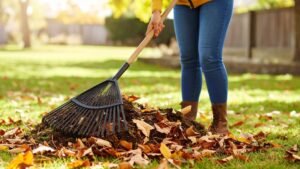
Start by removing heavy layers of leaves, sticks, fallen branches, and other debris. You can rake them, use a leaf blower, or mulch some leaves directly into the lawn if appropriate for your grass type.
Don’t feel like every single leaf has to disappear, though. Leaves can actually be useful when chopped finely and returned to the lawn or used as mulch in garden beds. The goal is to avoid a thick, wet layer sitting on the grass all winter.
2. Don’t Stop Watering Too Early
One of the biggest mistakes homeowners make is assuming that once summer is over, the yard no longer needs water.
That isn’t necessarily true.
Trees, shrubs, lawns, and perennial plants can still become dehydrated during dry fall and winter periods. This is particularly important for newly planted trees and shrubs. Colorado State University Extension recommends monitoring soil and weather conditions and watering during extended dry periods when temperatures are appropriate for watering.
As temperatures cool, plants generally need less water. Adjust your irrigation based on rainfall, soil moisture, plant needs, and your local climate.
If the ground is frozen or saturated, don’t water.
3. Pay Extra Attention to Newly Planted Trees
If you planted a tree this year, don’t forget about it when fall arrives.
Newly planted trees are particularly vulnerable to winter drought because their root systems have not had enough time to become established.
Check the soil around the tree and make sure it has adequate moisture going into winter. When winter is dry, occasional watering may still be necessary when conditions allow.
A good rule is to water deeply around the root zone rather than simply wetting the surface.
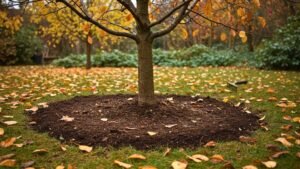
And don’t pile mulch directly against the trunk.
Instead, create a donut-shaped layer of mulch around the tree, leaving some space around the trunk.
4. Refresh Your Mulch
Fall is an excellent time to check the mulch around your trees, shrubs, and flower beds.
Mulch can help:
- Protect plant roots from temperature fluctuations
- Reduce moisture loss
- Suppress weeds
- Improve the appearance of garden beds
- Add organic matter as certain types of mulch break down
Aim for an even layer rather than creating a giant mound around tree trunks.
If your existing mulch has become thin or has washed away during summer storms, fall is a good time to refresh it.
5. Clean Out Your Garden Beds
Once your summer flowers and vegetables are finished producing, it’s time to decide what stays and what goes.
Remove dead annual plants and diseased plant material, but don’t assume everything needs to be cut down.
Some perennial plants and ornamental grasses can provide valuable winter interest, while seed heads can provide food for birds.
For vegetable gardens, remove plants that have finished producing and deal with weeds before they have another opportunity to spread seeds.
You can also add healthy plant material to your compost pile if it is appropriate for composting.
6. Inspect Your Trees for Problem Branches
Before winter storms arrive, walk around your property and inspect your trees.
Look for:
- Dead branches
- Broken limbs
- Hanging branches
- Branches rubbing against each other
- Branches growing toward structures
- Signs of disease or damage
Removing small problem branches before winter can help reduce the chance of branches breaking during wind, rain, or snow.
For large branches, trees near power lines, or trees that appear unstable, this is a job better left to a qualified tree professional.
7. Clean Your Gutters and Downspouts
This is technically a house-maintenance job, but it has a direct impact on your yard. Once the leaves begin falling, gutters can fill quickly.
Clean them before heavy fall weather arrives and check that downspouts are directing water away from your home’s foundation.
Also look at where that water is ending up in the yard. If a downspout dumps several feet of water into a flower bed every time it rains, you may end up with erosion, standing water, or damaged plants.
A simple extension or drainage adjustment may solve the problem.
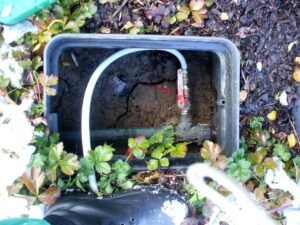
8. Winterize Your Irrigation System
If you live in an area where freezing temperatures are common, your irrigation system deserves special attention.
Water left inside exposed irrigation components can freeze and expand, potentially damaging pipes, valves, backflow devices, and sprinkler components.
Depending on your system and climate, winterizing may involve:
- Turning off the irrigation controller
- Shutting off the water supply
- Draining the system
- Blowing water out of irrigation lines
- Insulating exposed components
The exact process depends on the type of irrigation system you have.
If you’re not sure whether your system needs to be professionally blown out, check the manufacturer’s instructions or contact an irrigation professional.
Don’t wait until the first hard freeze to think about it.
9. Disconnect and Store Garden Hoses
This is one of those tiny jobs that is incredibly easy to forget. Before freezing temperatures arrive, disconnect your garden hoses from outdoor faucets. Drain the water, coil the hoses, and store them somewhere protected.
Also check your hose reels and connectors for leaks or damage.
If your outdoor faucet is exposed to freezing temperatures, follow the recommendations for your particular faucet and plumbing system.
A few minutes of preparation now can potentially prevent a much more annoying problem later.
10. Give Your Outdoor Furniture a Fall Inspection
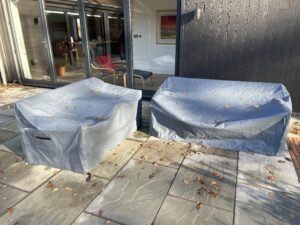
Before you cover everything and forget about it until spring, inspect your outdoor furniture.
If you’re storing cushions, make sure they are completely dry before putting them away.
For furniture that stays outdoors, use appropriately breathable covers rather than wrapping damp furniture in plastic and trapping moisture underneath.
11. Clean and Store Your Summer Tools
Fall is a good time to give your gardening tools a little maintenance.
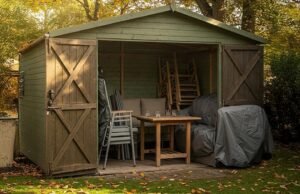
Dry metal tools thoroughly and sharpen cutting tools if needed. It’s also a good time to inspect handles, replace damaged tools, and organize your shed.
There is nothing worse than discovering in March that the garden tool you need has been sitting outside all winter.
12. Protect Plants That Aren’t Winter-Hardy
Before temperatures drop, identify plants that are sensitive to cold and determine what protection they need.
Depending on the plant and your climate, that might mean:
- Moving container plants indoors
- Moving pots into a sheltered location
- Adding mulch around root zones
- Using frost cloth
- Protecting young trees
- Creating a temporary wind barrier
Don’t automatically wrap every plant in plastic.
The right winter protection depends heavily on the plant species and your local growing conditions.

13. Don’t Forget Your Potted Plants
Container plants deserve special attention because their roots are more exposed to temperature changes than plants growing directly in the ground.
Move vulnerable containers to a protected location before freezing temperatures arrive.
You can group pots together near a sheltered wall, move them into a garage or protected area, or bring appropriate plants indoors.
14. Give Your Patio and Hardscaping a Once-Over
Before winter weather arrives, take a walk around your patio, walkways, retaining walls, and other hardscaping.
Look for:
- Cracked pavers
- Loose stones
- Uneven areas
- Standing water
- Damaged edging
- Weeds growing through cracks
- Drainage problems
Fall is often an easier time to address small problems before freezing temperatures, rain, or snow make them worse.
If you have a fire pit, inspect it and clean out accumulated ash according to the manufacturer’s recommendations.
And if you have outdoor lighting, check that everything is working before the days get shorter.
15. Do One Final Walk Around the Yard
Once you’ve finished the major jobs, take one final slow walk around your property.
Look for:
- Garden tools left outside
- Empty planters
- Broken sprinkler heads
- Loose fencing
- Outdoor decorations that need to be stored
- Tree branches hanging over walkways
- Toys that need to be put away
- Birdbaths that need cleaning
- Outdoor extension cords
- Items that could become projectiles during high winds
Don’t Make Your Yard Completely Bare
One trend I actually like about modern fall landscaping is moving away from the idea that every garden bed needs to be completely stripped down for winter.
A garden can still look beautiful when it isn’t blooming.
Ornamental grasses, interesting branches, seed heads, evergreen shrubs, mulch, stone, and other structural elements can give your yard texture throughout the colder months.
So instead of cutting everything back immediately, take a closer look at what could provide winter interest.
Download the Free Fall Yard Checklist